


Children’s Eye Exams in San Bernardino: What Parents Can Share About Reading and Classroom Vision
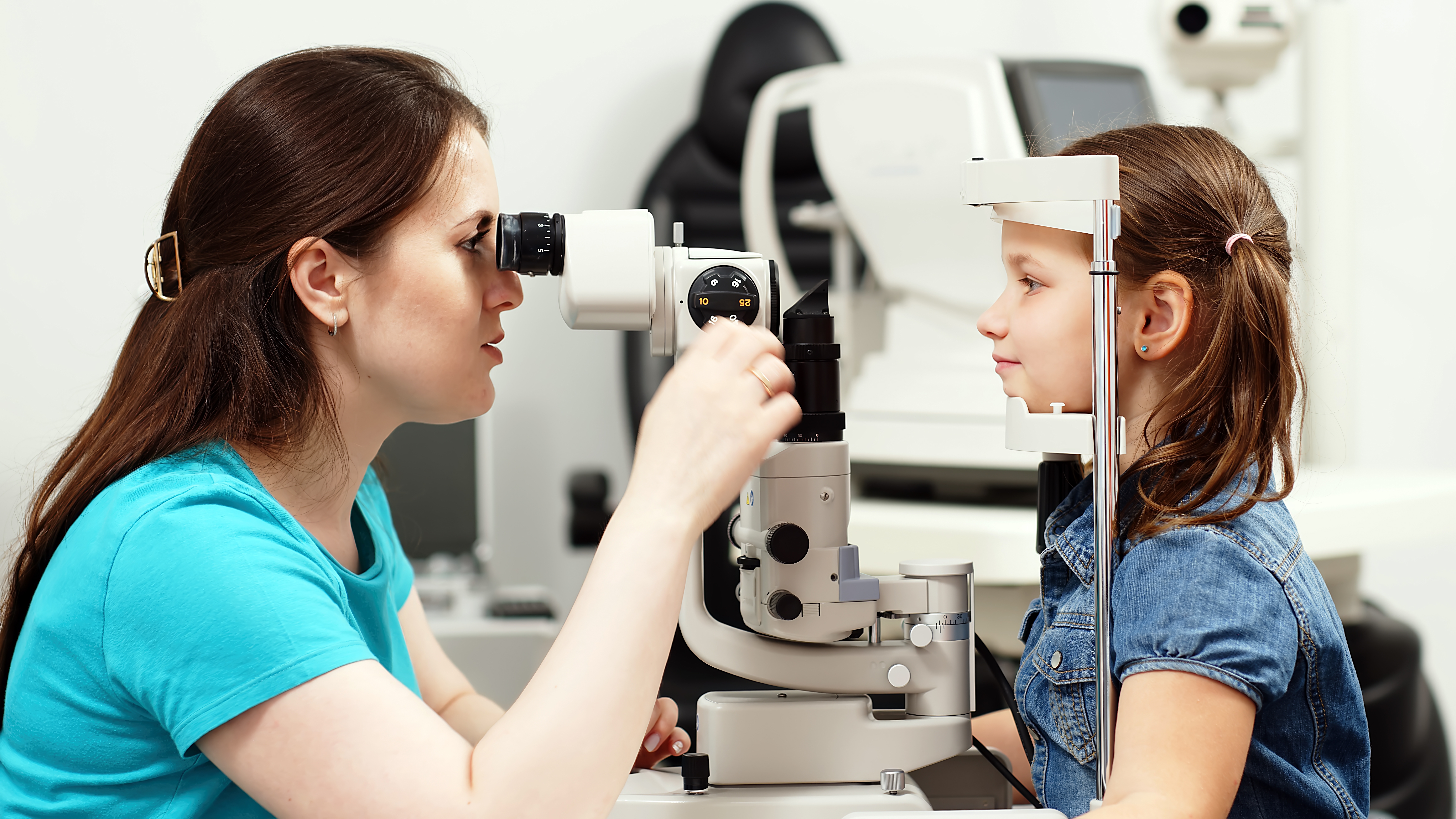
Children do not always realize when something about their vision is making schoolwork more difficult. A child may assume that everyone sees the classroom board the same way or may adapt to blurry or uncomfortable vision without mentioning it. Parents can provide valuable clues by sharing what they notice during reading, homework, and other daily activities.
At Eye Care Associates, we provide pediatric eye care in San Bernardino for children with a variety of visual needs. A comprehensive children’s eye exam can evaluate more than how clearly a child reads letters on a chart and can help determine whether vision correction or additional care is needed.
Talk About What Happens During Reading
Reading places several demands on a child’s visual system. The eyes need to see the words clearly, maintain focus at a close distance, and work together as the child moves across the page.
Before your child’s San Bernardino eye exam, pay attention to whether reading seems comfortable. Does your child avoid books they previously enjoyed? Do they frequently lose their place, bring material unusually close, or complain that their eyes feel tired?
These behaviors do not automatically mean there is an eye problem. Reading difficulties can have many causes, but sharing the patterns you notice gives the optometrist helpful context.
Ask Your Child About Classroom Vision
Parents cannot see exactly what their child sees from a classroom desk, so asking specific questions can be useful.
Instead of simply asking, "Can you see okay?" try asking whether words on the board look clear from the back of the room or whether presentations become blurry after looking at a tablet or workbook.
Other details worth sharing at a children’s eye exam include:
Squinting when looking across the classroom or at the television
Moving closer to screens, books, or other objects
Complaints of headaches during reading or homework
Rubbing or closing the eyes during near work
Blurry vision at distance or near
Difficulty shifting focus between a book and the classroom board
A recent change in school performance or willingness to read
A family history of significant nearsightedness or other eye conditions
The goal is not to diagnose a vision problem at home. These observations simply help your eye doctor understand when and where your child is having difficulty.
Bring Information From Teachers When Available
Teachers may notice visual behaviors that are difficult to observe at home. If a teacher has mentioned that your child struggles to copy information from the board, sits unusually close, loses their place while reading, or frequently complains of headaches, bring that information to the appointment.
A brief note or description is enough. Knowing whether symptoms occur primarily at school, during homework, or throughout the day can help provide a more complete picture.
If your child already wears glasses, also mention whether teachers have noticed that they still struggle to see certain classroom materials.
Understand the Difference Between a Screening and an Eye Exam
School vision screenings can identify some children who may need additional evaluation, but passing a screening does not necessarily rule out every vision or eye health concern.
A comprehensive pediatric eye exam can evaluate visual acuity, prescription needs, eye health, and how the eyes function together. At Eye Care Associates in San Bernardino, comprehensive eye examinations may include refraction and other testing based on the child’s individual needs.
Parents should also bring the child’s current glasses, previous prescriptions if available, medication information, and relevant family eye history.
Speak Up When Something Changes
Vision needs can change as children grow. New squinting, difficulty seeing distant objects, recurring headaches, or increasing frustration with visual tasks are worth discussing rather than waiting until the next school screening.
Sudden vision loss, significant eye pain, an eye injury, or other rapid changes should receive prompt professional evaluation.
If you have questions about your child’s reading or classroom vision, schedule a children’s eye exam with Eye Care Associates at 222 North G. Street, Suite 1, San Bernardino, CA 92410 by calling (909) 316-2100.


MAP
© 2026 Eye Care Associates in San Bernardino. All Rights Reserved - Accessibility Statement - Sitemap
Powered by: 